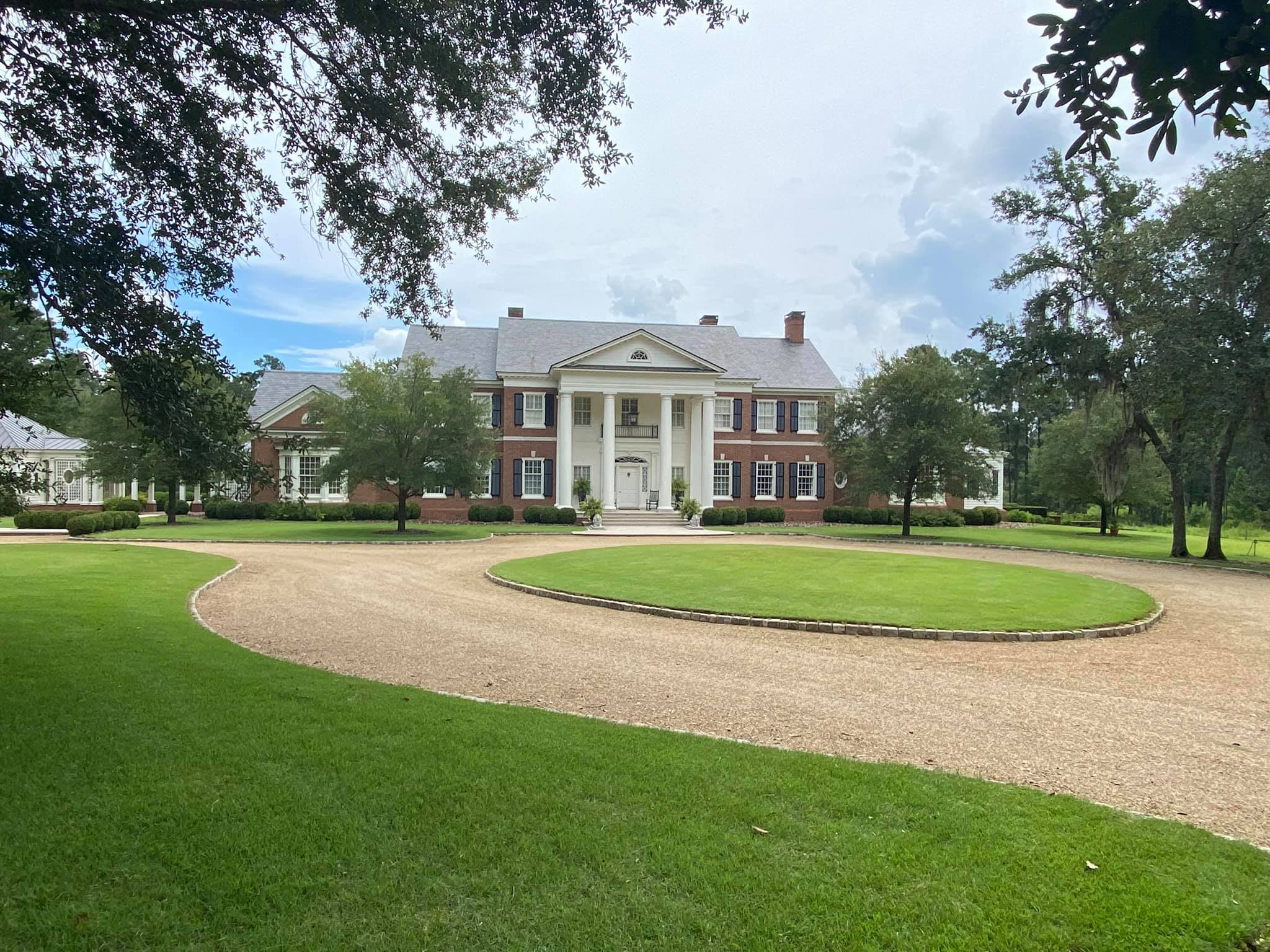
Creating Your Dream Landscape: Tips for Personalized Outdoor Spaces Apr 21, 2026
Before you begin designing your landscape, assess your space. Take into account the size, shape, and existing features of your yard. Consider any natural elements, such as boulders, hills, or water sources, and think about how they might be incorporated into your plan. It’s also essential to observe how sunlight and shade affect different areas throughout the day. This understanding will guide your decisions about plant placement and hardscaping elements.
Having a clear vision for your landscape design is crucial. Start by defining the primary purpose of your outdoor space. Do you envision a tranquil garden for relaxation, a lively area for entertaining friends, or a practical yard with room for kids to play? Your landscape should cater to your lifestyle and enhance the functionality of your home.
Choosing the right plants is pivotal in creating a landscape that thrives throughout the year. Consider your region’s climate, soil type, and water availability when selecting vegetation. Native plants are often a wise choice as they require less maintenance and are better adapted to the local environment. Don't forget to mix textures, heights, and colors to create visual interest and ensure year-round appeal.
Hardscaping is an integral component of a balanced landscape design. Elements such as patios, walkways, retaining walls, and outdoor kitchens help define the space and provide structure. When selecting hardscaping materials, consider durability, aesthetics, and how they complement the natural environment. For instance, natural stone and brick exude rustic charm, while modern pavers offer sleek sophistication.
Incorporating focal points and accents can elevate your landscape from ordinary to exceptional. A well-placed water feature, sculpture, or pergola can serve as the centerpiece of your yard. Garden lights can accentuate these focal points and create a magical ambiance in the evening hours. Consider using decorative planters or unique garden art to express your personal style and add character to the landscape.
Maintenance is a crucial factor in the sustainability of your landscape. At Thomasville Lawn Care, we recommend designing low-maintenance features that align with your willingness to commit time and effort. Automated irrigation systems, mulching, and choosing disease-resistant plant varieties are smart strategies to reduce upkeep.
Sustainable landscaping practices not only benefit the environment but also cut down on costs. Implementing methods like composting, rainwater harvesting, and utilizing solar-powered garden lighting can significantly enhance your landscape's eco-friendliness. Furthermore, native and drought-resistant plants reduce the need for frequent watering and chemical fertilizers.
In conclusion, creating your dream landscape involves a combination of careful planning, design, and sustainable practices. By considering your landscape’s function, aesthetic appeal, and environmental impact, you can craft an outdoor space that brings joy and relaxation. If you need assistance, the team at Thomasville Lawn Care is always ready to help transform your vision into reality with professional landscaping and hardscaping services. Start your journey to a personalized outdoor space today and enjoy the innumerable benefits it brings to your home.
/filters:no_upscale()/filters:format(webp)/media/68fe4af1-5ac2-4b4c-aaaf-002bfa1d3b62.jpeg)