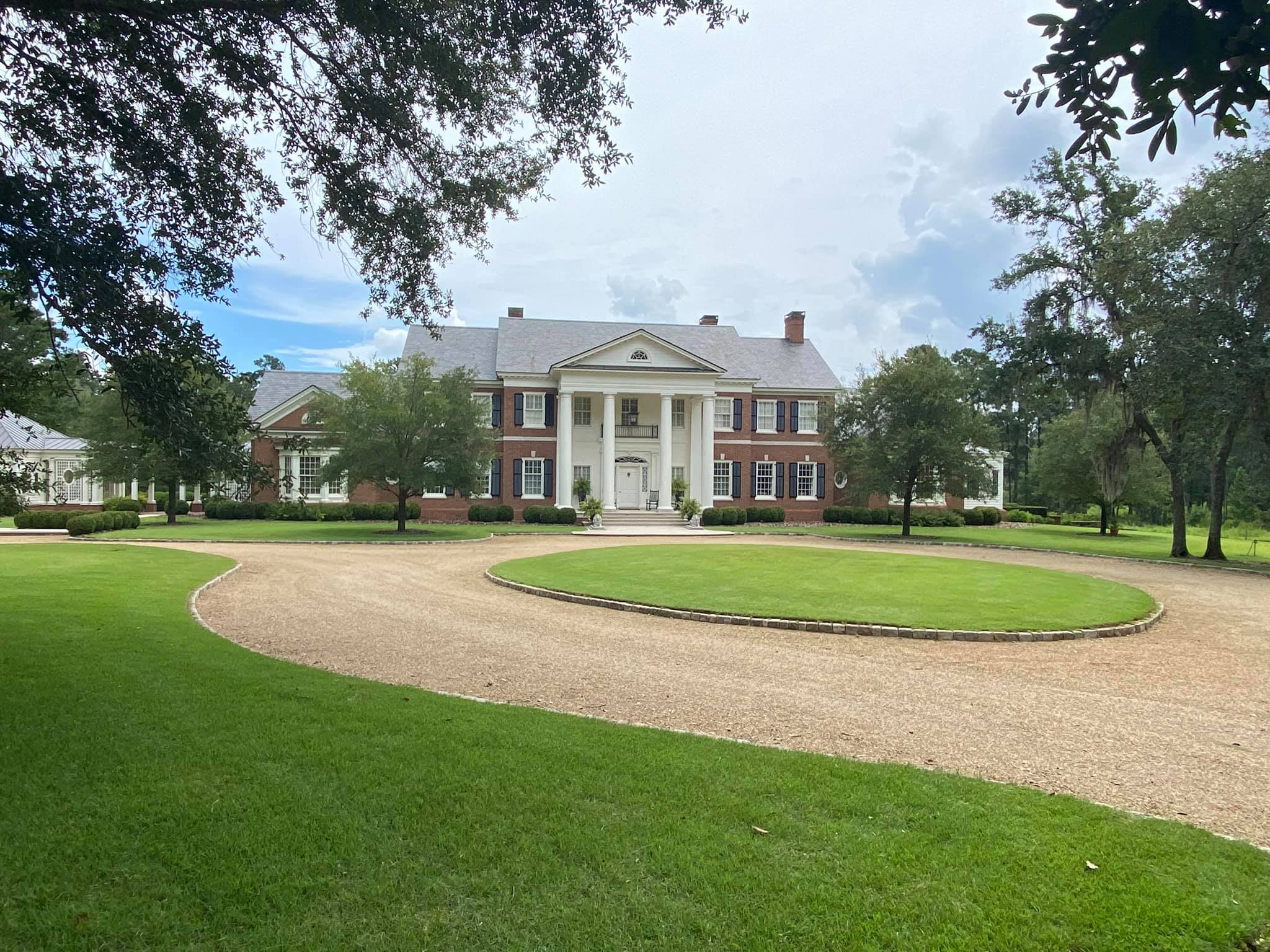
Enhance Your Outdoor Living: Creative Landscaping Tips for a Beautiful Yard Feb 13, 2026
Begin by envisioning the outdoor living area you desire. Consider what functions your space should serve. Do you need a tranquil oasis, a lively entertainment area, or a family-friendly garden? Establishing a clear purpose will guide your design choices and help ensure your landscaping project meets your needs.
When it comes to landscaping, selecting the right plants for your climate and soil type is crucial. Not only does this make maintenance easier, but it also ensures healthy growth and a vibrant landscape. Native plants are particularly advantageous because they require less water and are more resistant to local pests and diseases. Moreover, incorporating a mix of foliage, flowers, and textures will provide visual interest throughout the seasons.
Hardscaping is another critical component of landscape design. Thoughtfully designed patios, pathways, and retaining walls not only add structure and definition to your yard but also improve functionality and accessibility. Using materials such as stone or brick can add a timeless appeal, while more modern concrete or composite options might suit a contemporary taste.
Lighting is often an overlooked element in outdoor design, yet it profoundly impacts mood and functionality. Effective outdoor lighting enhances safety and creates ambiance. For a dramatic effect, consider a combination of path lights, uplights to highlight trees and architectural features, and string lights for a cozy atmosphere. Solar lights are an environmentally friendly option that can also help reduce energy costs.
Water features, such as fountains or small ponds, can add a soothing element to any yard. The gentle sound of running water complements the natural beauty of your landscape, promoting relaxation and a sense of tranquility. Additionally, small ponds or birdbaths can attract a variety of wildlife, enriching your outdoor experience with the sights and sounds of nature.
Creating distinct zones within your outdoor space can help maximize its utility. Designate areas for dining, lounging, and play, using landscaping elements like hedges, planters, or pergolas to define these spaces. This not only makes large spaces feel more intimate but also allows for more tailored furnishing options, enhancing each area's functionality and comfort.
Finally, no landscape design is complete without considering sustainability and maintenance. Implement smart irrigation systems to conserve water, and opt for low-maintenance plants and materials where possible. This will not only reduce your environmental footprint but also save you time and money in the long run.
Embracing these creative landscaping ideas will help you transform your yard into a beautiful, functional extension of your home. With the expert guidance of Thomasville Lawn Care, your outdoor space can become a personal retreat that reflects your style and meets your needs, providing enjoyment for years to come. Invest in your home's exterior today and experience the rewarding benefits of a well-designed landscape.
/filters:no_upscale()/filters:format(webp)/media/68fe4af1-5ac2-4b4c-aaaf-002bfa1d3b62.jpeg)